
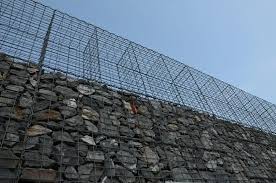
Creating a fence that perfectly complements your property requires careful planning and precision. 3D visualization of the fence (3D vizualizácia plotu) is an advanced tool that allows homeowners, architects, and landscapers to preview the design before any construction begins. By creating a realistic digital model, you can explore different styles, materials, and layouts, ensuring your fence meets both functional and aesthetic goals. But how does 3D visualization work, and why is it becoming essential in modern fencing projects?
What Is 3D Visualization and How Does It Work?
3D visualization involves creating a three-dimensional digital representation of your fence project. Unlike traditional blueprints or sketches, 3D models provide a lifelike preview of how the fence will look in the actual environment. Using specialized software, designers can render materials, textures, colors, and even surrounding landscapes.
This technology works by converting measurements and design specifications into a detailed digital model. You can rotate, zoom, and modify the design in real time, giving a clear understanding of proportions, angles, and visual impact before any physical construction begins.
Why Should You Use 3D Visualization for Your Fence?
Why is 3D visualization increasingly popular among property owners and professionals? There are several benefits:
- Accurate Planning: Helps identify potential design issues or space constraints before construction.
- Material Selection: Preview different materials such as wood, metal, stone, or gabions to see which suits your project.
- Cost Efficiency: Avoid costly mistakes by finalizing the design digitally before purchase and installation.
- Enhanced Communication: Easier to convey ideas to contractors, landscapers, or family members.
- Aesthetic Preview: Understand how the fence will blend with the existing landscape and architecture.
Using 3D visualization ensures that your project is both practical and visually appealing, reducing the risk of errors.
How Do You Prepare for a 3D Fence Visualization?
What information is needed to create an effective 3D fence model? Proper preparation is key.
- Measure the Property: Accurate dimensions of the fence line, including slopes and corners, are essential.
- Select Materials and Styles: Decide on fencing types, heights, colors, and finishes you want to explore.
- Consider Landscape Features: Trees, walkways, gardens, and other elements affect design choices.
- Define Objectives: Determine whether the fence is for privacy, security, decoration, or a combination of these.
Gathering this data allows the 3D model to accurately represent the project and provides a reliable preview for decision-making.
What Software Tools Are Used for 3D Fence Visualization?
Which tools are available to help create realistic 3D fence designs? Several professional and user-friendly software options exist:
- CAD Software: Programs like AutoCAD and SketchUp allow detailed architectural modeling.
- Specialized Fence Design Tools: Some applications are tailored specifically for fence visualization, making it easy to adjust materials, heights, and styles.
- Virtual Reality Platforms: For an immersive experience, VR can simulate walking around and interacting with the fence design.
- Rendering Software: Tools like Lumion or Blender add realistic textures, lighting, and shadows.
Choosing the right software depends on project complexity, desired level of realism, and user expertise.
How Can 3D Visualization Improve Decision-Making?
How does visualizing your fence in 3D help make better decisions?
- Compare Options: Easily test multiple materials, colors, or patterns to see what works best.
- Evaluate Proportions: Check if the fence height and style suit your property and surroundings.
- Predict Challenges: Identify potential installation difficulties or design flaws in advance.
- Budget Planning: Adjust materials or styles to match your financial plan before committing.
This level of foresight ensures that your fence project progresses smoothly, saving both time and money.
Can 3D Visualization Help With Custom Fence Designs?
Yes, custom fences benefit greatly from digital modeling. Custom designs often involve irregular shapes, slopes, or unique materials. A 3D model allows you to:
- Tailor the Shape: Fit the fence perfectly to property boundaries, curves, or elevation changes.
- Select Unique Materials: Combine wood, metal, stone, or gabions to create a distinctive look.
- Preview Decorative Features: Include gates, lighting, planters, or patterns in the design.
- Ensure Structural Compatibility: Test how the fence interacts with existing terrain and structures.
For projects that require precise customization, 3D visualization is almost indispensable.
How Does 3D Visualization Affect Project Costs?
Does creating a digital model increase project expenses? Surprisingly, it often reduces costs:
- Minimizes Mistakes: Avoid costly design changes during construction.
- Optimizes Material Usage: Calculate exact quantities of materials needed to prevent waste.
- Speeds Up Approval: Contractors or homeowners can approve the design faster, reducing project delays.
- Enhances Communication: Fewer misunderstandings between designers, suppliers, and installers mean smoother execution.
Investing in 3D visualization upfront can lead to significant savings and a more successful project outcome.
How Can You Make the Most of a 3D Visualization?
To maximize the benefits, consider these strategies:
- Explore Multiple Designs: Test different heights, colors, and materials to find the ideal solution.
- Include Environmental Context: Add surrounding trees, pathways, and buildings for a realistic preview.
- Involve Stakeholders: Share the visualization with family members or contractors for feedback.
- Adjust Iteratively: Make small changes to optimize aesthetics and functionality before construction.
- Use Realistic Textures: Choose textures that accurately reflect the actual materials for a more reliable preview.
Following these steps ensures that the final fence design meets expectations and integrates seamlessly with the property.
Are There Any Limitations to 3D Visualization?
While 3D visualization is powerful, it is important to understand its limitations:
- Accuracy Depends on Input: Measurements and material selections must be precise.
- Software Learning Curve: Some programs require training to use effectively.
- Cannot Predict All Site Conditions: Ground conditions, soil stability, and unforeseen obstacles may still affect installation.
- Visual Representation vs. Reality: Lighting, texture, or color may differ slightly once materials are physically installed.
Being aware of these limitations allows you to use 3D visualization as a tool for planning rather than a substitute for practical assessment.
How Does 3D Visualization Enhance the Overall Fence Project?
What makes 3D visualization a game-changer for fencing projects?
- Confidence in Design Choices: You can see exactly how the fence will appear in your space.
- Efficiency in Planning: Streamlines material selection, measurement, and contractor communication.
- Reduced Risk: Fewer errors and adjustments during construction.
- Improved Satisfaction: Achieve a fence that aligns with both vision and functionality.
By incorporating 3D visualization, every aspect of the project becomes more predictable and manageable.
Conclusion: Why Use 3D Visualization for Your Fence Project?
Understanding the value of 3D visualization of the fence ensures a successful, stylish, and functional fencing project. From accurate planning and material selection to realistic previews and cost optimization, 3D modeling provides a comprehensive tool for homeowners and professionals.
Whether you aim to build a simple garden fence or a complex custom boundary, this technology helps you make informed decisions, anticipate challenges, and achieve a result that enhances both the security and beauty of your property. By embracing advanced visualization, you can turn your fence project into a seamless and satisfying experience.