
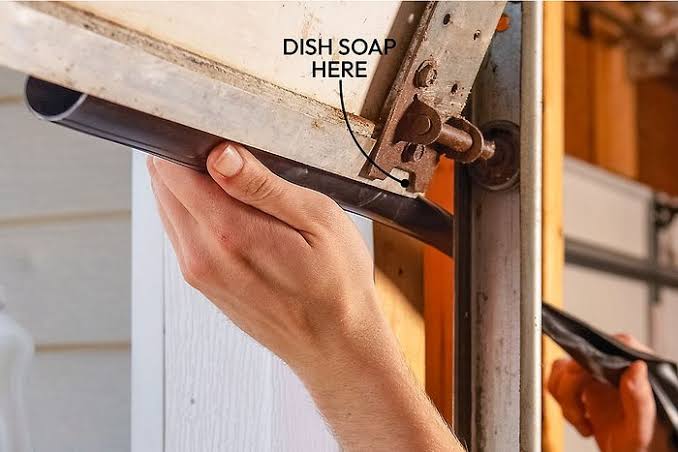
Located on the bottom of your garage door, that flimsy rubber strip often goes ignored. Nevertheless, it is an important component. This prevents rain, dust, insects, and outside air from getting into your garage.
The trouble is that, when the seal begins to crack, dipping from a mere aesthetic bump into one of major problem. The seal can become less flexible, small cracks may develop, and gaps may form under the door.
Why Do Seals on Garage Doors Crack?
If you think about it, garage door seals remain on the job for years without respite from Mother Nature. The rubber can slowly degrade due to heat, cold, moisture, and sunlight.
Age is another common factor. Once installed, a seal that was soft and pliable can become hard and brittle.
You may notice:
- Small surface cracks
- Splits along the rubber
- Flattened sections
- Brittle or stiff material
- Getting ready and slipping away from the seal
Once that material begins to degrade, it cannot give the same protection.
When Protective Tapes No Longer Work
A worn-out seal can cause tiny gaps under the garage door. Rain during storms, for example, can come in through the window; along with leaves, dirt, and insect.
The garage could be more vulnerable to outside temperatures too. This can lead to the space being less comfortable, especially if the garage is used as a workshop or storage room.
Replacing the rubber may not work, though, if the reason the seal is damaged is that a door does not line up properly.
Scan for Cracks at the Bottom
You close the garage door and check it from inside. Check for visible daylight through the seal.
Take special care about the corners. For example, if one side has a much bigger gap than the other, then it means that either the door is misaligned or there is a balance issue.
Still, do not kick the door and shut that gap. It puts unnecessary pressure on the opener and other parts.
You’ll be able to find out if it’s the seal or a part of the system causing problems when you get professional garage door repairs in Berwick, but if this is consistently an issue and nothing seems to fix it something else might be going on.
Is It Possible to Change a Cracked Seal?
A worn bottom seal can often be replaced without having to replace the whole garage door.
Which one is correct depends on the design of the door and on how the retainer that holds the seal in place is held in.
This is easy to do by measuring the existing system and fitting a proper seal. They can also see if the retainer itself is broken or loose.
When the Seal is Not the Real Problem
A damaged seal is sometimes only a by-product of something else.
It’s possible for a garage door that has shifted, become uneven, or developed track problems to place undue pressure on the seal. This can cause premature wear.
Other items might need some examination as well:
- Rollers
- Tracks
- Hinges
- Cables
- Door panels
- Bottom brackets
This is where replacement seals can reach their limit and professional garage door repairs in Castle Hill come into play.
Get a Proper Seal in the Garage Door
Even a cracked garage door seal can look like a small maintenance need but directly impacts the strength and performance of a whole door.
If you can see that your seal is broken, call expert services to offer garage door repairs in Berwick and find out what the reason is and which replacement you must choose.
For homeowners suffering from uneven sealing or any other door problems, professional garage door repairs in Castle Hill may fix the operational problem on their door and prevent unwanted moisture, filth, and vermin by keeping them outside where they belong.