
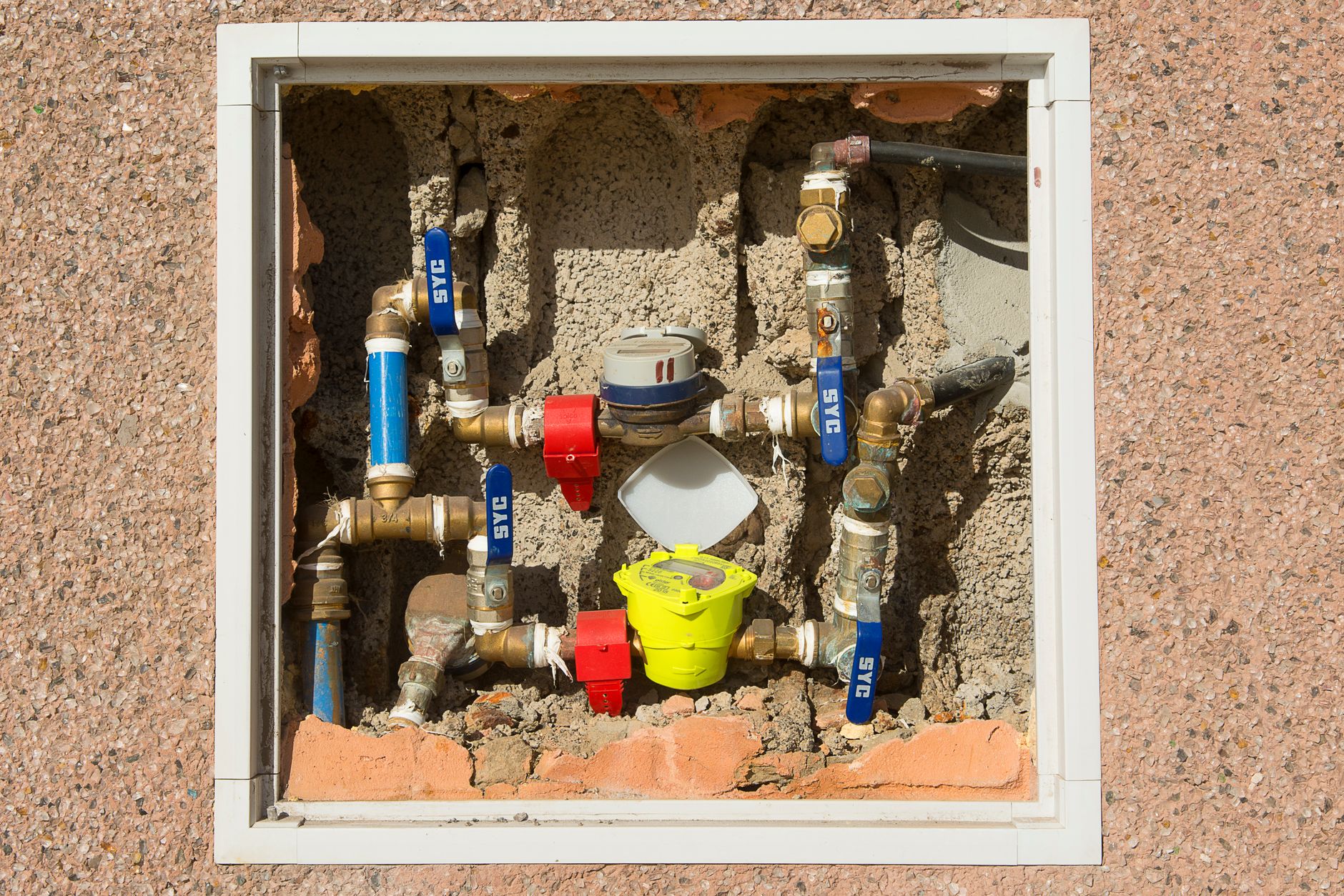
Water leaks beneath a concrete foundation can create serious problems for residential and commercial properties if they are not identified and repaired promptly. Because these leaks often occur out of sight, property owners may notice warning signs only after water damage has started. Professional slab leak repair helps locate the source of the problem, address damaged plumbing, and protect the structure from further complications.
Understanding What Causes Slab Leaks
A slab leak occurs when a water supply or plumbing pipe beneath a concrete foundation develops a crack, hole, or damaged connection. These pipes may deteriorate over time because of corrosion, shifting soil, pressure changes, poor installation, or natural wear. Even a small leak can release a significant amount of water when it continues unnoticed.
Older plumbing systems may be particularly vulnerable, but newer properties can also experience problems due to construction conditions or ground movement. Understanding the possible causes makes it easier to recognize risks and arrange an appropriate inspection.
Common Warning Signs of a Slab Leak
Slab leaks are not always easy to identify because the affected pipes are hidden beneath concrete. However, several signs may indicate that water is escaping below the foundation.
Unexplained increases in water bills can suggest a continuous leak, especially when household water usage has not changed. Warm or damp areas on floors may indicate a hot-water line problem. Some property owners also notice water stains, flooring damage, musty odors, or persistent moisture near walls and baseboards.
Another possible warning sign is the sound of running water when all faucets and water-using appliances are turned off. Cracks in flooring or walls may also develop if prolonged moisture affects the surrounding soil or foundation conditions. These symptoms do not always confirm a slab leak, so professional assessment is important.
Why Early Detection Matters
Delaying repairs can allow water to spread beneath the foundation and affect surrounding building materials. Continuous moisture may contribute to mold growth, damaged flooring, weakened soil, and additional plumbing problems. In some situations, prolonged leakage can create conditions that affect the stability of the foundation.
Early detection helps limit water loss and reduces the possibility of extensive property damage. It also allows technicians to identify the affected pipe section before the problem becomes more complicated. Arranging an inspection when warning signs first appear can help property owners make informed repair decisions.
Professional Methods for Locating Slab Leaks
Accurate leak detection is an important part of the repair process. Since pipes are located beneath concrete, technicians may use specialized equipment to identify the leak without unnecessarily disturbing large areas of flooring.
Acoustic listening devices can help detect sounds produced by escaping water. Pressure testing may reveal whether a plumbing line is losing pressure, while thermal imaging can help identify temperature differences associated with hot-water leaks. Other diagnostic methods may be used depending on the plumbing layout and property conditions.
A careful inspection helps determine the approximate leak location, the condition of the affected pipe, and the most suitable repair approach.
Choosing the Right Repair Solution
The appropriate repair method depends on the leak’s location, severity, pipe material, and overall plumbing condition. In some cases, technicians can access and repair a small section of damaged piping. If the affected line has extensive deterioration, replacing a larger section or rerouting the pipe may be a more practical option.
Concrete access may be necessary when the damaged pipe is directly beneath the slab. However, targeted detection helps reduce unnecessary disruption. Property owners should discuss the available methods, expected work, and potential impact on flooring and surrounding areas before approving repairs.
Preventing Future Plumbing Problems
Although not every slab leak can be prevented, regular plumbing inspections can help identify developing issues. Monitoring water bills, checking for damp flooring, and responding quickly to unusual plumbing sounds are useful precautions.
Maintaining appropriate water pressure and addressing visible plumbing concerns can also support the overall condition of a property’s water system. After repairs are completed, follow-up testing can help confirm that the affected line is functioning properly.
Protecting Your Property with Reliable Repairs
Slab leaks require careful attention because hidden water damage can become more serious over time. Recognizing early warning signs, using accurate detection methods, and selecting a suitable repair solution can help protect the foundation and plumbing system.
With professional assessment and timely repairs, property owners can address underground leaks, reduce unnecessary water loss, and restore confidence in their plumbing system. Taking action early is an important step toward maintaining a safe, dry, and well-protected property.