
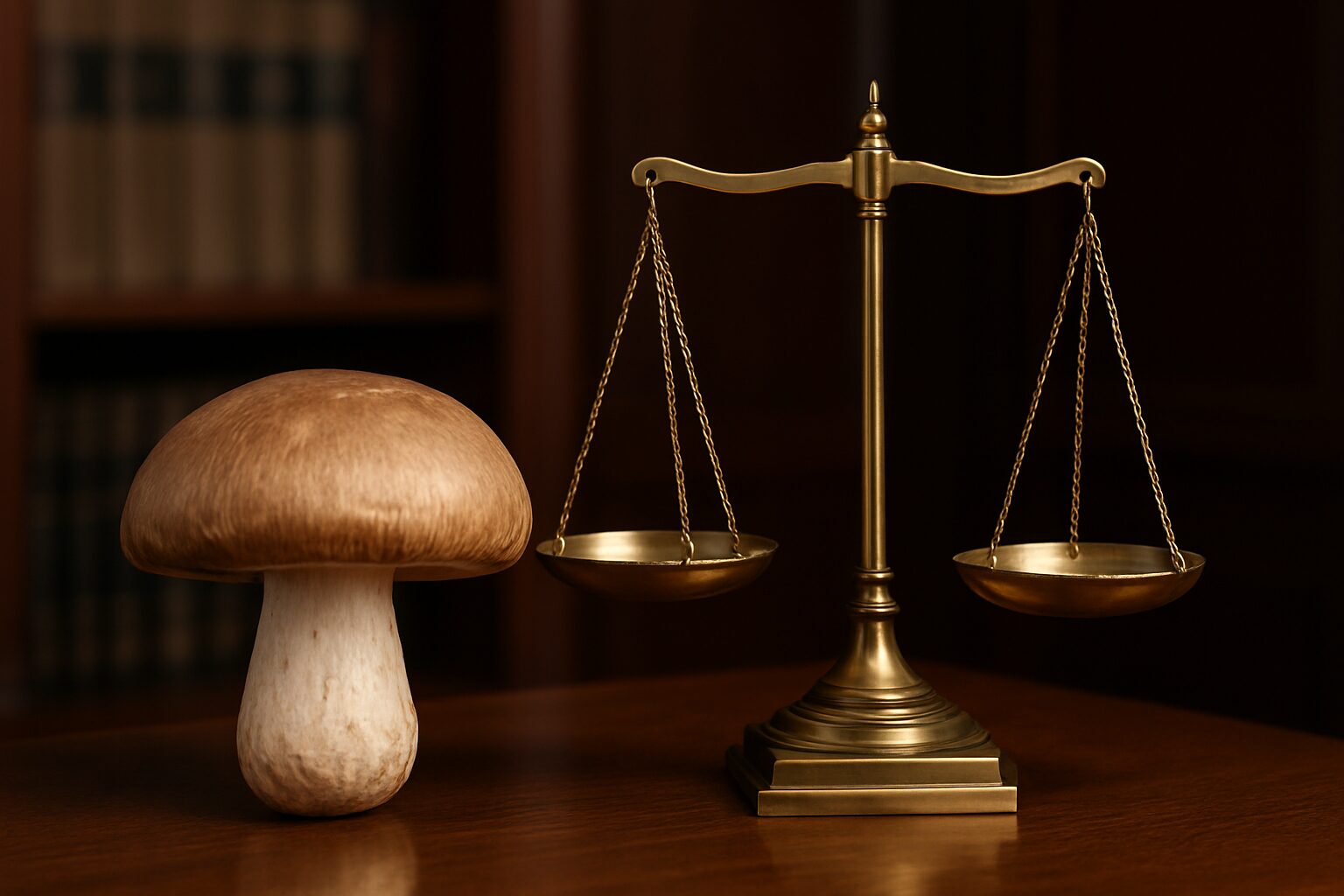
Understanding the legal landscape before you decide to buy magic mushrooms is essential, since rules vary dramatically depending on where you live. What is permitted in one region may carry serious penalties in another, which makes it important to approach this topic with care and accurate information. This guide answers the most common questions professionals and curious consumers ask about psilocybin legality, helping you navigate the subject responsibly.
Why does the legal status of magic mushrooms differ by location?
Psilocybin, the active compound in magic mushrooms, is classified differently by governments around the world. Some jurisdictions treat it as a controlled substance with strict prohibitions, while others have moved toward decriminalization or limited regulation, often influenced by emerging research into mental health applications. Local lawmakers weigh factors such as public health data, cultural attitudes, and law enforcement priorities, which is why no single global standard exists. A substance that is tightly restricted in one country might be available through licensed clinical settings elsewhere.
What does decriminalization actually mean?
Decriminalization typically means that personal possession or use of a small quantity is no longer treated as a criminal offense, though it may still carry civil penalties such as fines. It is not the same as legalization. Decriminalized areas generally do not permit commercial sale or large-scale cultivation, so even where personal use has been deprioritized by authorities, purchasing or distributing the product may remain unlawful.
How is a regulated market different from a decriminalized one?
A regulated market involves formal government oversight, including licensing requirements for cultivation, distribution, and sometimes supervised use, often tied to therapeutic or medical contexts. Regulation establishes quality control standards, tracks supply chains, and sets clear rules for who can access the product and under what circumstances. This differs from decriminalization, which simply reduces or removes criminal penalties without creating a formal legal marketplace.
What happens in jurisdictions where magic mushrooms remain prohibited?
In prohibited areas, cultivation, possession, sale, and distribution are all treated as illegal activities, often with significant legal consequences. Enforcement intensity can vary, but the underlying legal risk remains constant regardless of how strictly local authorities apply it. Anyone considering psilocybin products in a prohibited jurisdiction should recognize that legal exposure applies to buyers as well as sellers.
Why does it matter whether a source is licensed and regulated?
Licensed and regulated channels operate under government-approved standards that address product safety, accurate labeling, and traceability. These channels are typically subject to inspection and compliance checks, which reduces the risk of contamination or mislabeled products. Purchasing through unlicensed or informal sources removes these safeguards entirely, leaving consumers without any verified information about what they are actually receiving. For this reason, regulated access points are consistently the safer and more accountable option where they legally exist.
How can someone verify the current rules in their area?
Laws surrounding psilocybin continue to evolve, so relying on outdated information or secondhand accounts is risky. The most reliable approach is to consult official government sources directly, such as national health departments, justice ministries, or local regulatory agencies responsible for controlled substances. Many jurisdictions publish updated statutes and regulatory guidance online, and some maintain dedicated pages explaining decriminalization measures or licensed program requirements. Legal counsel familiar with local drug policy can also provide clarity for anyone uncertain about how the rules apply to their specific situation.
What is the safest approach for someone researching this topic?
The safest approach is to treat legal verification as a mandatory first step, not an afterthought. Before taking any action, confirm the current classification of psilocybin in your jurisdiction, understand whether decriminalization, regulation, or prohibition applies, and identify any licensed pathways that may exist. Staying informed through credible government channels helps ensure decisions are made with full awareness of the applicable legal framework, protecting both personal interests and compliance with local law.