
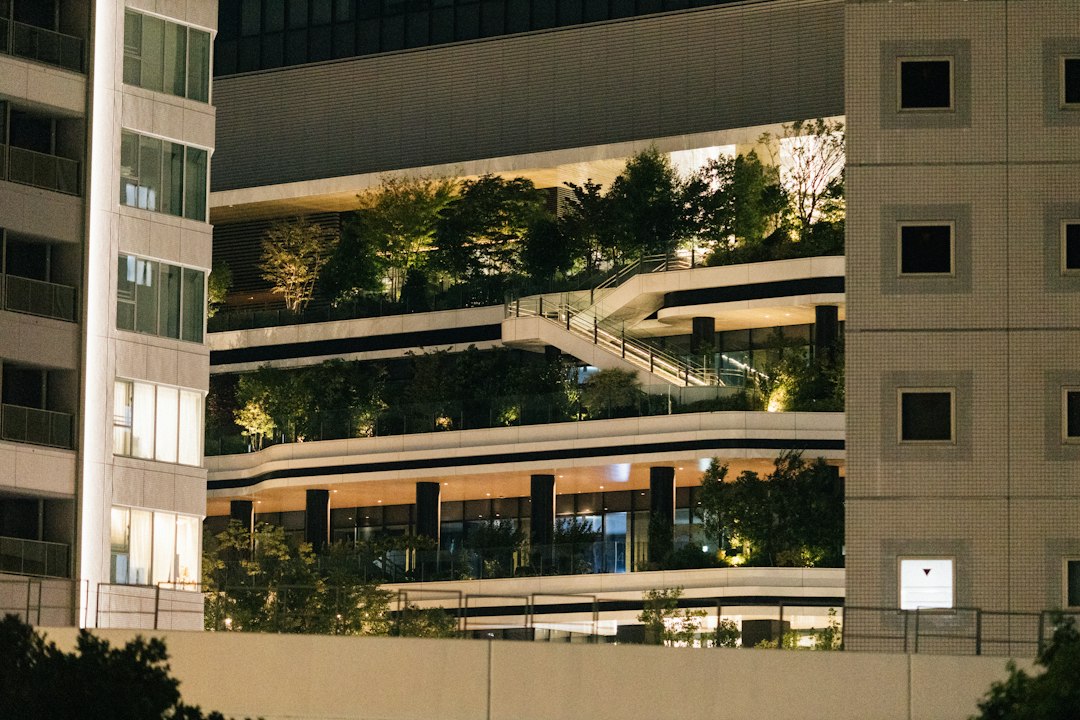
Modern property development is increasingly focused on creating spaces that support productivity, convenience, connection, and long-term value. Businesses need practical environments that can adapt to changing operations, while communities benefit from thoughtful planning and quality infrastructure. In this evolving landscape, Hannas Group reflects an approach centred on developing high-quality spaces that respond to the expectations of modern businesses and growing communities.
Jump To
- What defines a high-quality modern development?
- How are business needs changing?
- Why is design important for business environments?
- How can property development support growing communities?
- What role does location play in creating valuable spaces?
- How does sustainability contribute to development quality?
- Can innovation improve modern property spaces?
- Why is long-term thinking important in property development?
- What creates lasting value for businesses and communities?
- Conclusion
What defines a high-quality modern development?
Quality development begins with purposeful planning. Every element, from location and layout to materials and surrounding amenities, can influence how effectively a space serves its users.
Modern developments are increasingly designed with functionality and user experience in mind. This can create environments that are attractive while also supporting practical everyday requirements.
How are business needs changing?
Businesses today often require greater flexibility from their physical spaces. Changing work practices, evolving technologies, expanding operations, and shifting customer expectations can all influence the type of property businesses need.
Flexible and well-designed spaces can make it easier for organisations to adapt without compromising their operational efficiency. This makes adaptability an important consideration in contemporary property development.
Why is design important for business environments?
Good design can influence productivity, accessibility, comfort, and the overall experience of a workplace or commercial facility. Efficient layouts can help businesses make better use of available space, while quality finishes and considered design can create a professional environment.
The most effective developments balance visual appeal with practical functionality, ensuring that design contributes meaningfully to the way businesses operate.
How can property development support growing communities?
Property development can play an important role in shaping the character and functionality of growing communities. Well-planned projects can provide useful spaces while contributing to connectivity, accessibility, and local economic activity.
Thoughtful landscaping, pedestrian-friendly areas, convenient access, and complementary facilities can help create environments that feel integrated rather than isolated.
What role does location play in creating valuable spaces?
Location can significantly influence the usefulness and long-term appeal of a property. Access to transport routes, employment areas, essential services, retail facilities, and community infrastructure can improve convenience for businesses and residents.
A carefully selected location can also support future growth by positioning developments within areas that have strong potential for continued activity and investment.
How does sustainability contribute to development quality?
Sustainability has become an important part of responsible property development. Energy-efficient systems, water-conscious planning, landscaping, and considered material choices can contribute to more environmentally responsible spaces.
Sustainable design can also support long-term efficiency and create healthier, more comfortable environments for the people who use them.
Can innovation improve modern property spaces?
Innovation provides opportunities to make properties more efficient and responsive. Technology can support building management, security, energy monitoring, communication, and other operational functions.
When innovation is integrated thoughtfully, it can improve functionality without compromising the fundamental qualities of good design and usability.
Why is long-term thinking important in property development?
A successful development should remain useful well beyond its completion. Long-term thinking encourages developers to consider future business requirements, demographic changes, technological developments, and evolving community expectations.
This approach can help create spaces that retain their relevance and appeal as surrounding areas continue to grow and change.
What creates lasting value for businesses and communities?
Lasting value comes from combining quality, functionality, accessibility, thoughtful design, and future-focused planning. A development can provide greater value when it supports the people and organisations that use it while contributing positively to its broader surroundings.
This balanced approach can help create spaces that are not only successful at launch but continue to serve their purpose over time.
Conclusion
Creating high-quality property spaces requires more than attractive architecture. It involves understanding how businesses operate, how communities grow, and how expectations continue to evolve. By combining practical planning, thoughtful design, innovation, sustainability, and a long-term perspective, modern developments can create meaningful value for both businesses and communities. This forward-looking approach can help shape spaces that are functional today and prepared for the opportunities of tomorrow.