
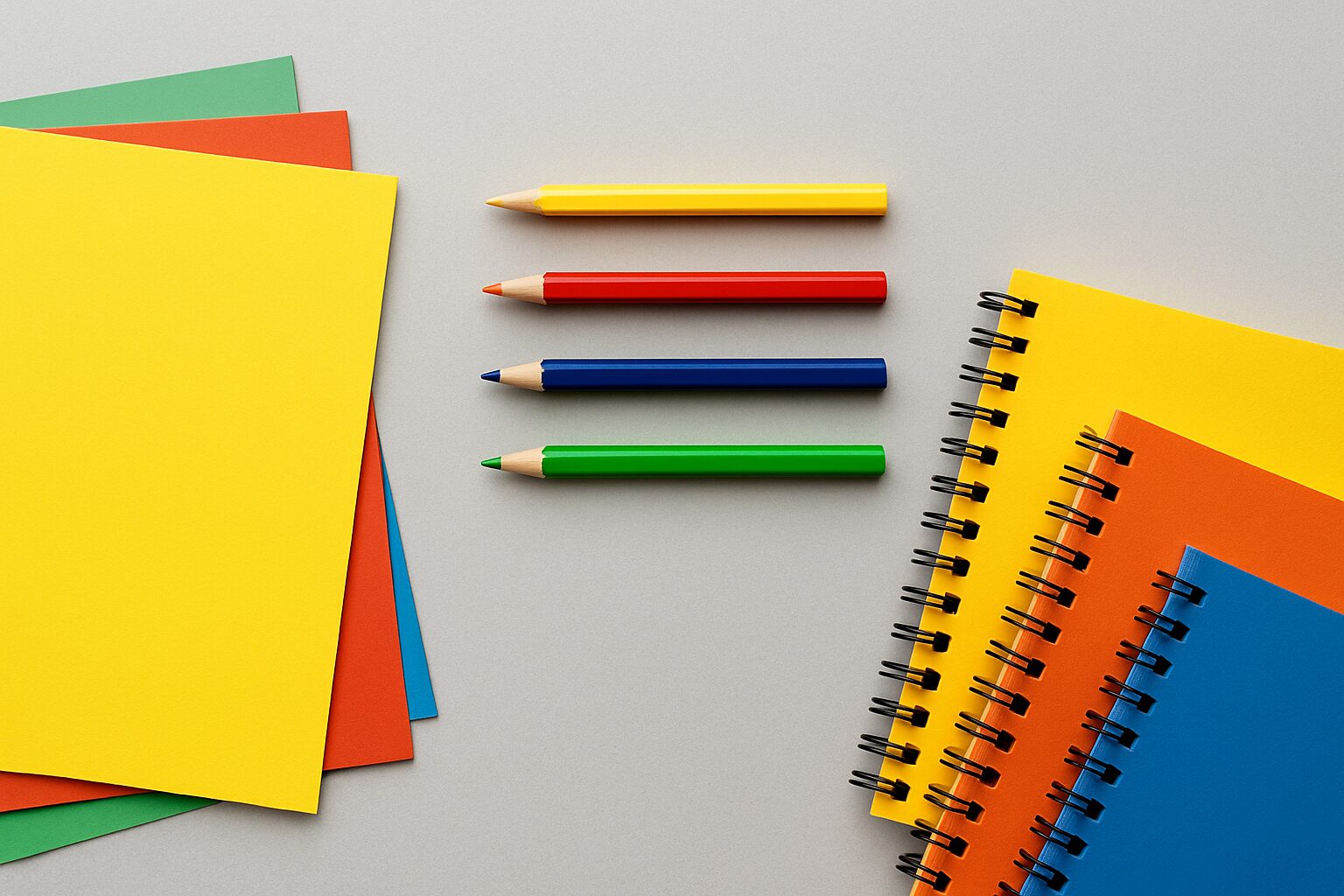
A memorable brand is often built through small details that make customers feel connected to a business. Personalized colors, thoughtful packaging, distinctive stationery, and carefully designed promotional materials can give a company a recognizable character. Custom Printing Services allow businesses to bring these details into physical customer experiences through tailored designs, formats, and materials. By turning brand concepts into tangible assets, customized printing can add personality to everyday communication while supporting a consistent and professional identity.
Jump To
- What Gives a Brand a Personal Touch?
- How Can Custom Printing Reflect Brand Personality?
- Which Materials Can Add Personality to Branding?
- Why Is Consistency Important When Personalizing Print?
- Can Packaging Become Part of the Customer Experience?
- How Do Materials Influence Perception?
- What Role Does Personalization Play in Marketing?
- How Can Small Details Strengthen Brand Presentation?
- Can Custom Printing Support Different Business Occasions?
- How Can Businesses Keep Personalized Materials Organized?
- Why Does Quality Matter for a Personalized Brand?
- Conclusion
What Gives a Brand a Personal Touch?
A brand’s personality can appear through its visual choices and the way it communicates with customers. Elements such as color combinations, typography, imagery, packaging, and printed messaging can all contribute to this personality.
Personalization allows businesses to move beyond generic presentation. A carefully designed thank-you card, branded product insert, or customized package can communicate attention to detail.
These physical elements can become recognizable parts of the customer experience, helping a business create a consistent identity across different interactions.
How Can Custom Printing Reflect Brand Personality?
Every business has a different character. Some brands may prefer a clean and minimal appearance, while others may use expressive colors, creative graphics, or distinctive layouts.
Customized printing provides the flexibility to reflect these differences. Businesses can select materials, dimensions, colors, finishes, and design elements that align with their established identity.
The result is a collection of printed materials that feels connected rather than generic. Each item can serve its individual purpose while contributing to the same overall brand impression.
Which Materials Can Add Personality to Branding?
Many everyday business materials can become opportunities for personalization. Business cards can introduce a company’s visual identity during professional interactions, while brochures can combine useful information with creative presentation.
Packaging inserts can provide customers with additional information or a personalized message. Branded envelopes, folders, postcards, labels, and stationery can also extend the company’s identity into routine communication.
Promotional materials offer another opportunity to introduce personality through campaign-specific designs that remain connected to the brand’s core visual style.
Why Is Consistency Important When Personalizing Print?
Personalization works most effectively when it remains connected to a recognizable brand system. Too many unrelated styles can make printed materials appear disconnected.
Businesses can establish core standards for their logo, color palette, typography, imagery, and general layout. Individual materials can then introduce creative variations while preserving these recognizable elements.
This creates a balance between uniqueness and consistency. Customers can encounter different printed materials while still identifying them as part of the same business.
Can Packaging Become Part of the Customer Experience?
Packaging is often one of the first physical brand interactions after a customer receives a product. This makes it an important opportunity for thoughtful presentation.
Custom-printed boxes, labels, inserts, cards, and other packaging elements can communicate brand personality while providing useful product information.
Even a simple printed insert can create an additional point of connection. A well-designed message can introduce care instructions, product details, or appreciation in a way that feels integrated with the brand.
How Do Materials Influence Perception?
The physical characteristics of printed products can contribute to their presentation. Paper thickness, texture, coating, and finish can create different visual and tactile impressions.
A business focused on premium presentation may select refined materials for its customer-facing pieces. Another company may choose lightweight and practical options that support frequent distribution.
The important factor is alignment. Material choices can complement the brand’s visual identity and the purpose of each printed product.
What Role Does Personalization Play in Marketing?
Personalized print can help marketing campaigns feel more relevant to specific occasions or audiences. Businesses can create campaign materials for seasonal promotions, special events, new products, customer appreciation activities, and local marketing initiatives.
A core brand identity can remain consistent while campaign-specific colors, imagery, and messaging provide freshness.
This approach gives businesses room to develop creative promotional materials without moving away from their established visual identity.
How Can Small Details Strengthen Brand Presentation?
Brand personality does not always require large or elaborate printed products. Small details can have a meaningful role in creating a cohesive presentation.
A branded note card, customized envelope, product sticker, presentation folder, or printed thank-you message can add another recognizable element to a customer interaction.
When several small details work together, they can create a more complete brand experience. Consistency across these elements makes the presentation feel intentional and professionally managed.
Can Custom Printing Support Different Business Occasions?
Businesses communicate with customers in many situations, and each occasion can have its own print requirements. Conferences may require professional networking materials, while product launches can benefit from promotional brochures and presentation pieces.
Celebrations, seasonal campaigns, customer appreciation initiatives, and corporate events can also use customized printed materials.
Adapting print designs to each occasion gives businesses the opportunity to create relevant experiences while retaining recognizable brand elements.
How Can Businesses Keep Personalized Materials Organized?
A well-maintained collection of brand assets can simplify future printing projects. Businesses can store approved logos, design templates, color specifications, artwork, and preferred material choices in an organized system.
This allows teams to create new materials more efficiently. Existing designs can be adapted for different formats without rebuilding the entire concept.
Organized print management also supports consistency when several employees or departments are involved in preparing customer-facing materials.
Why Does Quality Matter for a Personalized Brand?
Personalization creates value when the finished product accurately represents the original design. Clear graphics, readable text, balanced colors, and appropriate materials help maintain a polished appearance.
High-quality production can also ensure that different branded items share a consistent standard. Whether the material is a business card, package insert, brochure, or promotional postcard, professional presentation reinforces the care invested in the brand.
Conclusion
A personal brand experience is created through consistent choices and meaningful details. Custom printing gives businesses the flexibility to express their identity through personalized materials that combine design, functionality, and professional presentation.
From packaging and stationery to promotional products and customer inserts, printed materials can add character to everyday interactions. With consistent branding, thoughtful customization, suitable materials, and attention to quality, businesses can create physical experiences that feel distinctive while strengthening their overall brand identity.