
Design teams often consider many options when choosing surfaces for kitchens, bathrooms, and busy living areas. Natural stone slabs hold their ground against engineered quartz, laminate, and other synthetic choices. Man-made materials deliver steady colors and fairly simple care routines. Natural stone brings something extra in looks, daily performance, and overall worth that shows up once the project finishes and real life begins.
What a Slab Actually Means in Practice
A slab starts as a big rectangular piece cut straight from quarry blocks of natural stone. Teams use these for kitchen countertops, bathroom vanities, or outdoor dining tables. The large size covers plenty of space with only a handful of seams. Fewer seams create a smoother final surface and reduce spots where grime or moisture can settle.
Stones such as granite, marble, quartzite, and limestone each bring their own strengths. Granite and quartzite handle heavy traffic well because they stay tough under pressure. Marble offers a classic smooth finish that fits quiet spaces like powder rooms or special walls. Many projects bring in a slab stone supplier during the initial planning meetings. Early input helps match the stone to how the space will actually get used day after day.
The Visual Edge That Natural Stone Provides
Engineered surfaces repeat the same pattern across every sheet. Natural stone slabs carry marks formed over millions of years underground. Veins and color changes run throughout the thickness. Natural light or room lamps catch the surface differently as the hours pass. The result feels alive in a way that factory-made tops seldom match.
One section might show gentle gray waves while the next carries warmer tones. These built-in differences give a room depth without extra effort. In a kitchen, the slab can quietly become the main feature. Manufactured materials tend to copy the same look over large areas. The finished effect stays neat but can appear somewhat flat next to real stone.
- Natural markings shift with changing light and add quiet interest.
- Color layers look richer from different angles.
- Every finished surface ends up slightly one-of-a-kind.
How Natural Stone Holds Up Over Years of Use
Stone forms deep in the earth under heat and pressure. That history leaves granite and quartzite especially ready for daily wear. Scratches from knives or pots happen less often than on some softer man-made tops. Hot pans or baking trays can sit directly on the surface without leaving damage that resins sometimes suffer.
A well-sealed natural stone slab maintains its strength over time. Spills clean up without permanent traces when basic care stays consistent. If a dull patch or light scratch appears after many years, skilled work can polish it back. Synthetic surfaces sometimes need full replacement once the outer layer wears thin.
Real kitchens see constant meal prep and hot dishes. Quartzite handles that heat without softening. Outdoor counters in places with strong sun or cold winters often perform better with granite slabs that handle temperature fluctuations. These everyday conditions reveal clear differences between natural stone and materials that shine mainly in ideal display settings.
- Stands up to regular activity in busy zones.
- Takes heat from cookware without issues.
- Allows spot repairs instead of total swap-outs.
- Keeps solid performance across decades with normal attention.
Where Natural Stone Fits Best in Projects
Design work puts natural stone slabs to use in several ways. Kitchen counters get plenty of focus because the material supports chopping and hot items while adding a quiet quality. Bathroom vanities gain a cool touch that feels pleasant each day.
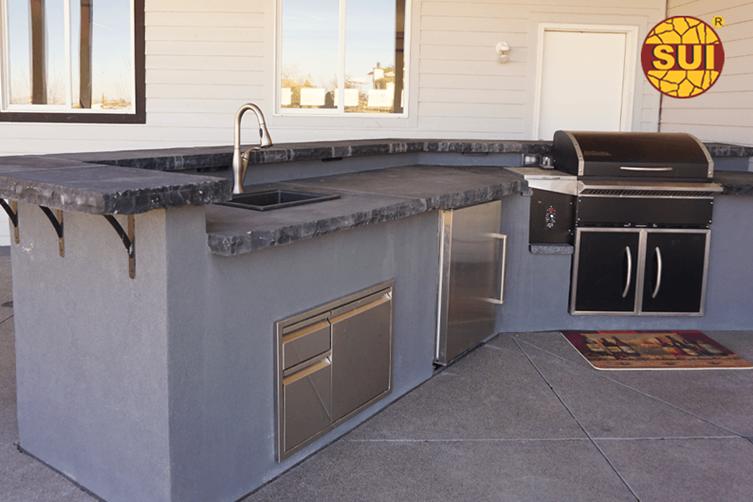
Outdoor kitchens and dining spots count as another solid fit. Selected stones resist rain, sun, and freezing cycles better than many synthetics. Large slabs mean fewer joints, so water and bits of food have less chance to hide. Daily cleaning stays quick with a simple wipe rather than careful work around many seams.
Designers sometimes extend the same stone to accent walls or fireplace surrounds. Matching material across surfaces creates a consistent look, while the stone retains its reliable traits wherever it goes.
Thinking About Cost Across the Full Timeline
Natural stone slabs usually start at a higher price than basic laminate or lower-end engineered products. Still, many projects see the extra upfront amount return through longer service. Homes with quality stone in the main areas often show greater appeal when it’s time to sell. Buyers notice the material as a mark of solid choices.
Care follows a straightforward pattern. A sealer applied now and then guards against stains. That routine takes far less time than replacing a tired synthetic top after 10 or 15 years. When the building’s full life comes into view, natural stone frequently proves the more practical choice.
Other Factors That Matter Today
Stone comes from the earth with relatively little additional processing. It skips the heavy synthetic binders found in many man-made options. Once its time is up, the material can be returned to the ground or crushed for other building needs. Projects that track environmental impact often note this point.
Indoor spaces also benefit because stone adds nothing that releases over time. People spend long hours near counters and vanities, so the absence of extra chemicals matters. Designers now check these health and sustainability angles right along with looks and strength when they study samples.
Making the Selection Process Work
Good results begin with clear goals for the space. A family kitchen busy with daily cooking may call for granite or quartzite Slabs that manage heat and marks. A calm bathroom might suit marble for its gentler appearance. Bringing an experienced slab stone supplier in early narrows choices and avoids changes later.
Samples need to be viewed under the actual lights planned for the room. Stone can look quite different in daylight than under store lighting. This small step prevents surprises after installation. Thoughtful early decisions lead to surfaces that feel right and stay useful for years.
Conclusion
Natural stone slabs offer the mix of visual character, practical strength, and extended service that many design projects need. These traits hold their own even as synthetic materials improve.
Stone Universe Inc. offers a broad range of high-quality options that deliver solid results. Stone Universe Inc. supports design teams with reliable materials that fit the demands of each space.