
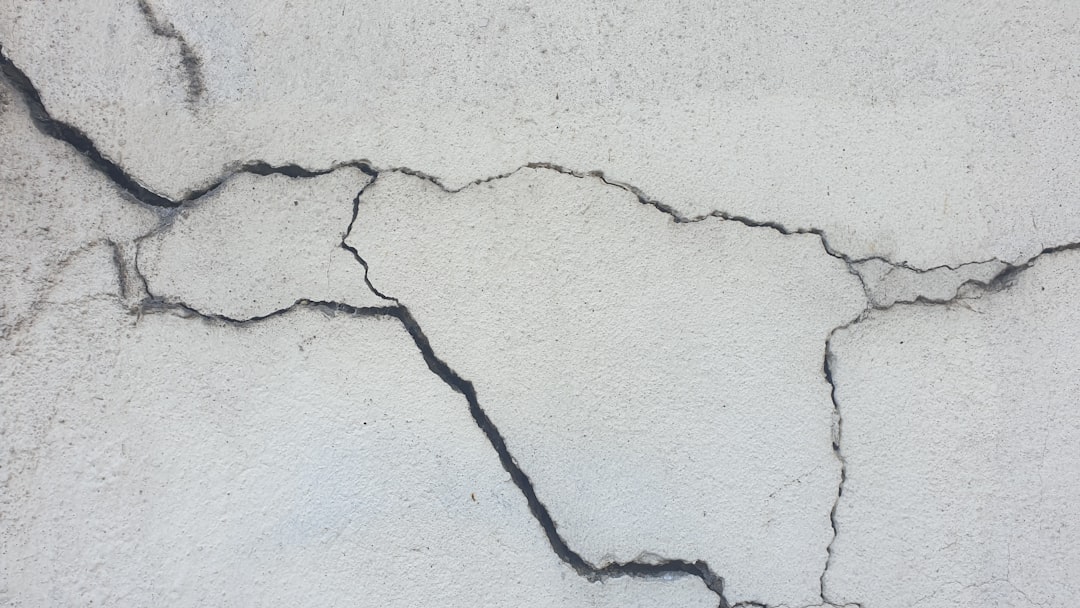
Concrete is valued for its strength, durability, and ability to withstand demanding outdoor conditions, but even well-installed surfaces can eventually develop defects. Winnipeg properties face seasonal temperature changes, moisture exposure, freeze-thaw movement, and everyday traffic, making concrete repair Winnipeg an important consideration for maintaining sidewalks, driveways, patios, steps, foundations, and other concrete structures. Understanding the causes and warning signs of concrete deterioration helps property owners address problems before they become more disruptive.
Jump To
- Why Does Concrete Begin to Deteriorate?
- How Do Cracks Indicate a Need for Repair?
- What Causes Concrete Spalling?
- Why Does Concrete Become Uneven?
- How Does Water Affect Concrete Surfaces?
- Can Concrete Surface Scaling Require Professional Attention?
- Why Do Concrete Joints Matter?
- What Happens When Concrete Repairs Are Delayed?
- How Can Winnipeg Weather Influence Concrete Damage?
- Which Concrete Areas Should Be Inspected Regularly?
- Is Concrete Repair Mainly Cosmetic?
- What Is the Best Approach to Maintaining Concrete?
- Why Is Professional Assessment Valuable?
Why Does Concrete Begin to Deteriorate?
Concrete deterioration usually develops gradually rather than appearing without warning. Environmental exposure is one of the most significant influences. Repeated freezing and thawing can cause moisture within concrete pores to expand and contract. Over time, this movement can weaken the material and contribute to cracking, surface deterioration, and small areas of separation.
Age also plays a role. As concrete remains exposed to weather and regular use, its surface may gradually lose resilience. Poor drainage, improper installation, inadequate curing, and unsuitable surface preparation can accelerate this process. Identifying the underlying cause is therefore just as important as repairing the visible defect.
How Do Cracks Indicate a Need for Repair?
Cracking is one of the most recognizable concrete problems. Not every crack represents the same level of concern, however. Fine surface cracks may result from normal shrinkage, while wider or progressively developing cracks can indicate movement, settlement, moisture-related stress, or structural concerns.
Cracks can also allow water to penetrate deeper into the material. During freezing conditions, trapped moisture can contribute to additional expansion and deterioration. Cracks around steps, walkways, driveways, and slabs can become particularly noticeable when they interfere with drainage or create uneven surfaces.
Monitoring changes in crack width, direction, location, and surrounding concrete can provide useful information. Repairs are generally more effective when deterioration is addressed before cracks expand and affect adjacent sections.
What Causes Concrete Spalling?
Spalling occurs when portions of the concrete surface break away, leaving rough, chipped, or exposed areas. It can develop when moisture enters the material and contributes to internal deterioration. Freeze-thaw exposure is particularly relevant in climates where temperatures repeatedly move above and below freezing.
Corrosion of reinforcing steel can also contribute to spalling. When reinforcement begins to corrode, it can expand and place pressure on the surrounding concrete. This pressure may eventually cause cracking and pieces of the surface to detach.
Spalling should not be treated as a purely cosmetic issue. Exposed concrete and reinforcement can become increasingly vulnerable to moisture and environmental conditions. Professional assessment can determine whether localized repair is appropriate or whether a larger section requires attention.
Why Does Concrete Become Uneven?
Uneven concrete can result from soil movement, settlement, drainage problems, erosion, or changes beneath the slab. Driveways, sidewalks, walkways, and patios may gradually develop raised or sunken areas as the supporting ground changes.
Uneven surfaces can interfere with water flow and create tripping concerns. They may also place additional stress on adjoining sections of concrete. Simply filling visible cracks may not resolve the underlying problem if movement below the slab continues.
A proper evaluation should consider both the concrete and the conditions beneath it. Addressing drainage and soil-related issues can help support the long-term performance of repaired areas.
How Does Water Affect Concrete Surfaces?
Water is essential to many aspects of concrete construction, but uncontrolled water exposure can become damaging after the concrete has cured. Poor drainage can leave moisture against slabs, foundations, steps, and walkways for extended periods.
Water may enter through cracks, joints, porous surfaces, or damaged areas. In colder conditions, repeated freezing can increase pressure within the material. Persistent moisture can also contribute to staining, surface wear, and reinforcement corrosion.
Effective drainage is therefore an important part of concrete maintenance. Repairs that address damaged concrete without considering the source of water may provide only temporary improvement.
Can Concrete Surface Scaling Require Professional Attention?
Scaling occurs when the upper layer of concrete gradually flakes, peels, or separates. It can be associated with freeze-thaw exposure, moisture, poor finishing practices, inadequate curing, or unsuitable surface treatment.
Early scaling may appear as a rough or slightly weakened surface. As deterioration progresses, larger portions may become loose. This can affect appearance and make the surface more vulnerable to further weather exposure.
The appropriate repair method depends on how deeply the deterioration extends. Surface-level damage may be treated differently from damage that reaches deeper into the slab. A professional assessment helps determine the condition of the underlying concrete before repair work begins.
Why Do Concrete Joints Matter?
Joints allow concrete sections to accommodate expected movement. When joints are missing, poorly positioned, damaged, or improperly maintained, cracks may develop in unwanted locations.
Joint deterioration can also allow water to reach areas beneath the concrete. Once water enters through damaged joints, seasonal movement may increase stress around the slab.
Maintaining joints is therefore part of preventative concrete care. Properly functioning joints help manage natural movement and reduce unnecessary pressure on larger concrete sections.
What Happens When Concrete Repairs Are Delayed?
Delaying repairs can allow a localized defect to become a broader maintenance issue. A small crack may permit moisture penetration, while a minor uneven area can affect drainage and place stress on nearby sections.
Deterioration can also become harder to address when surrounding material begins to weaken. For this reason, routine inspection is valuable, especially after harsh seasonal conditions.
Prompt attention does not necessarily mean replacing an entire concrete surface. In many situations, identifying the cause early allows targeted repair work to preserve otherwise sound material.
How Can Winnipeg Weather Influence Concrete Damage?
Winnipeg experiences seasonal conditions that can place considerable stress on outdoor concrete. Winter freezing, spring thawing, precipitation, and repeated temperature fluctuations can affect surfaces in different ways throughout the year.
Freeze-thaw cycles are especially important because water that enters small openings can freeze and expand. When this process occurs repeatedly, internal stress can contribute to cracking and surface deterioration.
Seasonal inspection can help property owners identify damage before it progresses. Spring is often a useful time to examine driveways, sidewalks, steps, patios, and other outdoor concrete areas for changes that developed during winter.
Which Concrete Areas Should Be Inspected Regularly?
High-use and weather-exposed areas deserve particular attention. Driveways experience vehicle loads and seasonal exposure, while sidewalks and walkways experience repeated pedestrian traffic. Steps can develop cracking or uneven surfaces that affect safe access.
Patios may experience moisture exposure and settlement, particularly where drainage is inadequate. Foundations and structural concrete require careful observation because cracks or moisture problems may have broader implications.
Inspection should focus on cracks, surface flaking, exposed reinforcement, uneven sections, water accumulation, deteriorating joints, and changes in appearance or texture.
Is Concrete Repair Mainly Cosmetic?
Concrete repair can improve appearance, but its purpose extends beyond aesthetics. Damaged concrete may allow water infiltration, contribute to surface instability, or create hazards around a property.
Repair can help protect sound surrounding material, improve drainage, restore surface continuity, and maintain the intended function of the structure. Addressing deterioration early can also make ongoing maintenance more manageable.
A professional approach considers both visible damage and the conditions responsible for it. This helps ensure that repairs are selected according to the actual problem rather than simply covering its symptoms.
What Is the Best Approach to Maintaining Concrete?
Consistent inspection, effective drainage, timely maintenance, and appropriate repair methods are central to concrete preservation. Property owners should avoid ignoring new cracks, unusual settlement, surface deterioration, or recurring moisture problems.
Cleaning surfaces appropriately and keeping drainage routes clear can also reduce unnecessary exposure to standing water. During inspections, changes should be documented so that developing problems can be compared over time.
The most reliable maintenance strategy is proactive rather than reactive. Concrete is a durable construction material, but durability depends on installation quality, environmental conditions, drainage, usage, and timely attention to deterioration.
Why Is Professional Assessment Valuable?
Different concrete defects can look similar while having very different causes. A crack caused by surface shrinkage requires a different response from one associated with settlement or structural movement. Similarly, surface scaling may require a different treatment from deeper spalling.
Professional assessment helps determine the extent and likely cause of deterioration. It can also identify whether drainage, soil movement, reinforcement corrosion, or joint failure is contributing to the problem.
For Winnipeg properties, understanding these factors is particularly useful because seasonal weather can repeatedly challenge outdoor concrete. Addressing defects with an informed repair strategy can help preserve the surface, improve functionality, and reduce the likelihood of recurring deterioration.